Speaking · Keynotes

These frameworks,
live.

Keynotes on cognitive architecture — where the neurodiversity movement, the brain economy, and the age of AI converge into the leadership variable of the decade.

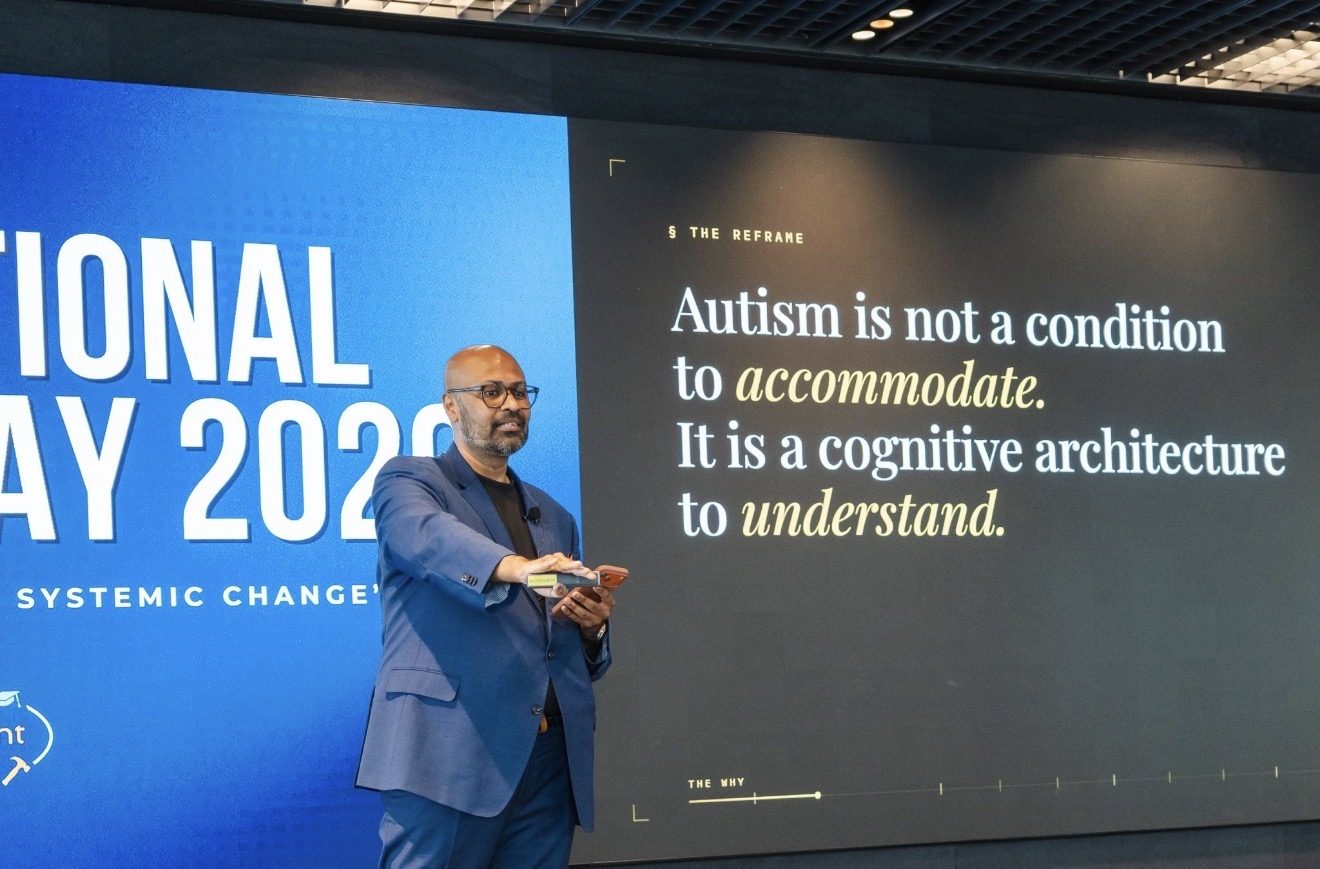
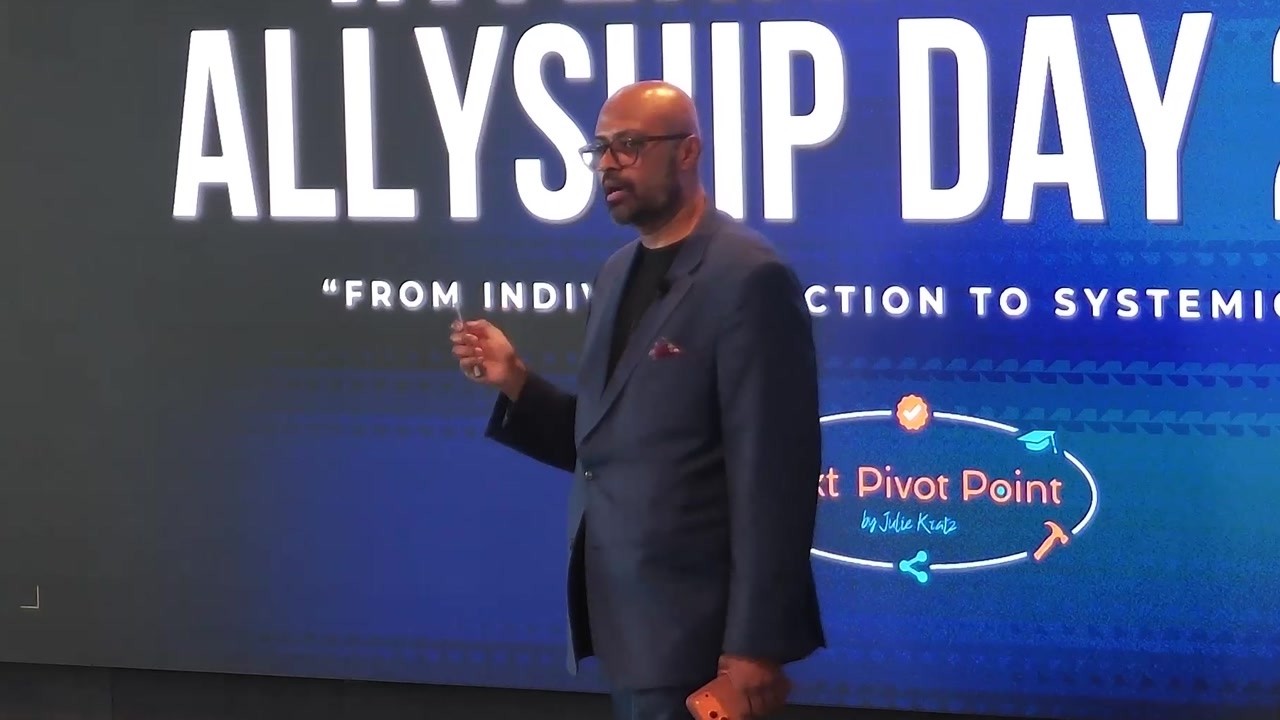
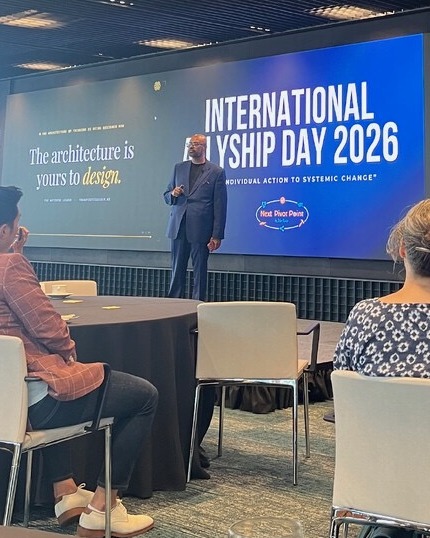
Uday Kiran Bolusani delivering a keynote
Uday Kiran BolusaniLive keynote · Cognitive Systems Architect
WEF Davos Neurodiversity SummitCognitive Architecture — Framework Author15+ Years Organizational Systems

The Keynote Series

Four keynotes. One curriculum.

The deliberate design of cognitive architecture. One keynote names the system every organization is already running and never designed. The next three are the moves leading becomes once execution leaves.

Organizational Architecture
Judgment · The System View

Flagship Keynote

The Undesigned Mind

Every organization already runs a cognitive architecture: how thinking happens, how decisions get made, how signal moves between different minds. Almost none of it was designed. It accumulated. This keynote names that invisible system and the convergence that just made designing it unavoidable. The neurodiversity movement established that cognitive difference carries real value. The brain economy made cognitive capacity the measurable variable. And AI set the deadline, because once execution leaves, leadership can no longer run on the confidence and presence it always did. The autistic leader sits at the center of the talk as the diagnostic instrument: the architecture that was legible to a machine before it was legible to the organization is the one this moment now selects for. The room leaves with the choice every leader is now facing, and the three moves that follow from it.

Audience Takeaways

Why the costliest organizational failures are failures of cognitive architecture, not of the people inside it

The three movements that turned designing how an organization thinks from optional into the deadline

Why leadership built on confidence and presence stops holding the moment execution leaves the room

The Three Moves

Once execution leaves, leadership becomes three moves. They run as one signal lifecycle, and each is a keynote of its own.

Communication Architecture Align
Keynote Panel

Get the signal in clean.

The Translation Layer

The first move, once execution leaves, is getting the signal in clean. Most communication failures get read as people problems: someone is unclear, someone else is difficult to work with. The failure usually sits at the interface between two different cognitive systems, in a design no one actually chose. This keynote walks the six places signal gets lost and shows why the distance between the culture you state and the culture your systems enforce is a translation problem with a structural fix. The work is to design the interface, not to keep coaching the person to absorb its cost.

Audience Takeaways

Why most communication breakdowns are interface failures, not individual deficits

The six places signal gets lost between different cognitive systems, and how to audit each

How to close the gap between the values you state and the ones your communication enforces

See the framework →
Decision Architecture Distribute
Keynote Panel

Decide who holds the judgment.

Signal. Decision. Accountability.

The second move is deciding who holds the judgment. Signal, decision, and accountability are three separate jobs, and in most organizations they collapse into one person, usually the most senior in the room. That collapse is where decisions break: the loudest voice sets direction, no one clearly owns the outcome, and AI gets inserted with no defined role. This keynote unbundles the three at every level of the organization, not only the top, and shows where AI belongs in each and where it never does. What the team leaves with is a way to distribute judgment through the organization instead of concentrating it at the apex.

Audience Takeaways

How to separate signal, decision, and accountability into three named roles for any decision

The three ways decisions break: the loudest voice, diffused ownership, and AI inserted without a role

Where AI can hold signal and inform a decision, and where accountability can never move to it

See the framework →
Thinking Architecture Preserve
Keynote Panel

Route the work so judgment survives.

Before the Decision

The third move is routing the work so judgment survives the pace. Before any decision about AI, there is a prior one most organizations never make on purpose: how cognitive work gets allocated. What stays in human judgment, what AI enhances, and what gets offloaded. Left to default, that decision gets expensive, because the judgment that should have stayed human quietly leaks to the machine, and the decay shows up everywhere downstream. This keynote gives leaders the allocation policy: a way to route any piece of work to human judgment, AI enhancement, or full offload, and to keep that policy alive as the conditions around it keep shifting.

Audience Takeaways

The allocation policy every organization needs before adopting another AI tool

How to decide what to preserve in human judgment, what AI enhances, and what to offload

Where judgment quietly leaks to the machine, and how to catch the drift before it costs

See the framework →
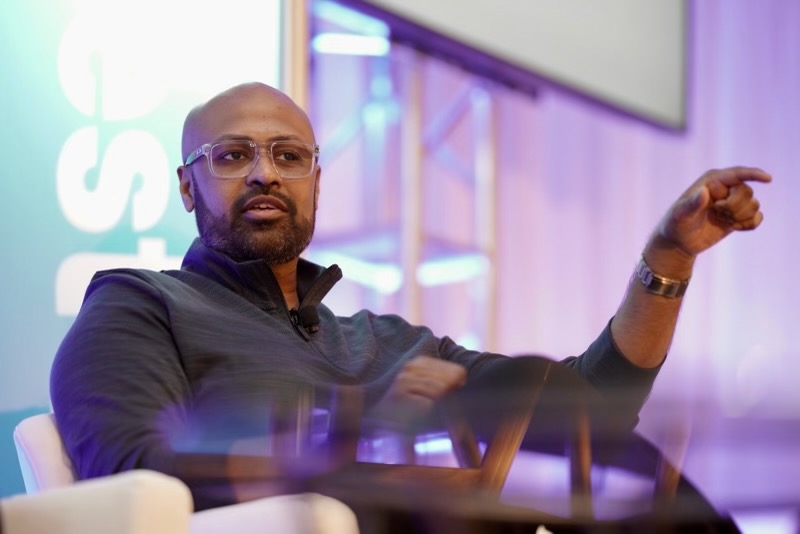
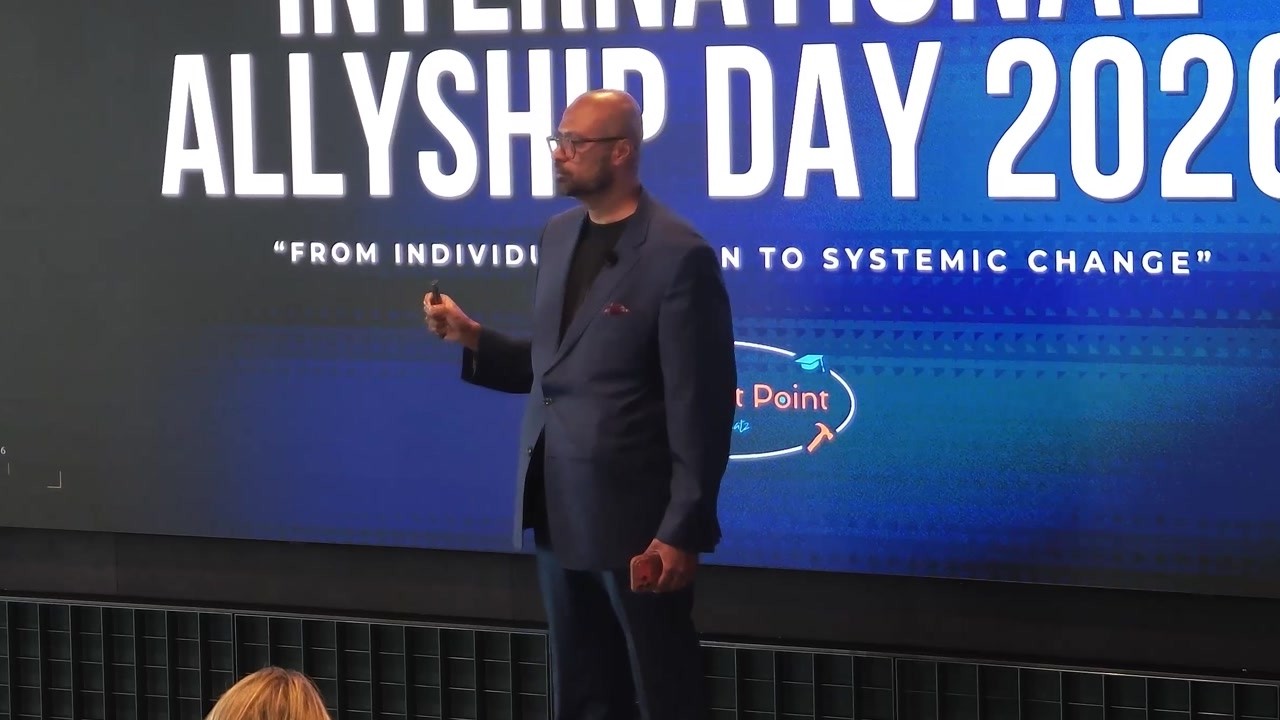
Uday Kiran Bolusani speaking on stage
Live on stage · InvestOps

The cognitive traits that defined autistic leadership as difficult inside the old model are precisely the traits the brain economy is now selecting for. This is not a story about accommodation. It is a story about competitive advantage.

Uday Kiran Bolusani · The Autistic Leader™

The brain economy rewards the organizations that design their cognitive architecture deliberately.

About the Speaker

Uday Kiran Bolusani is an autistic leader and cognitive systems architect working at the intersection of organizational design, AI strategy, and neurodivergent leadership. His work begins from a single premise: Most organizations have a cognitive architecture. Almost none of them designed it deliberately.

Davos Neurodiversity SummitWEF Contributor
EdCortexAdvisory Board
Cognitive ArchitectureAuthor of AICSM, DecisionOS & CTP
Disability Inclusion InitiativeKey Organizational Leader
Read the full story →
Uday Kiran Bolusani

Upcoming · The Autistic Leader™ Keynote Series

What's next.

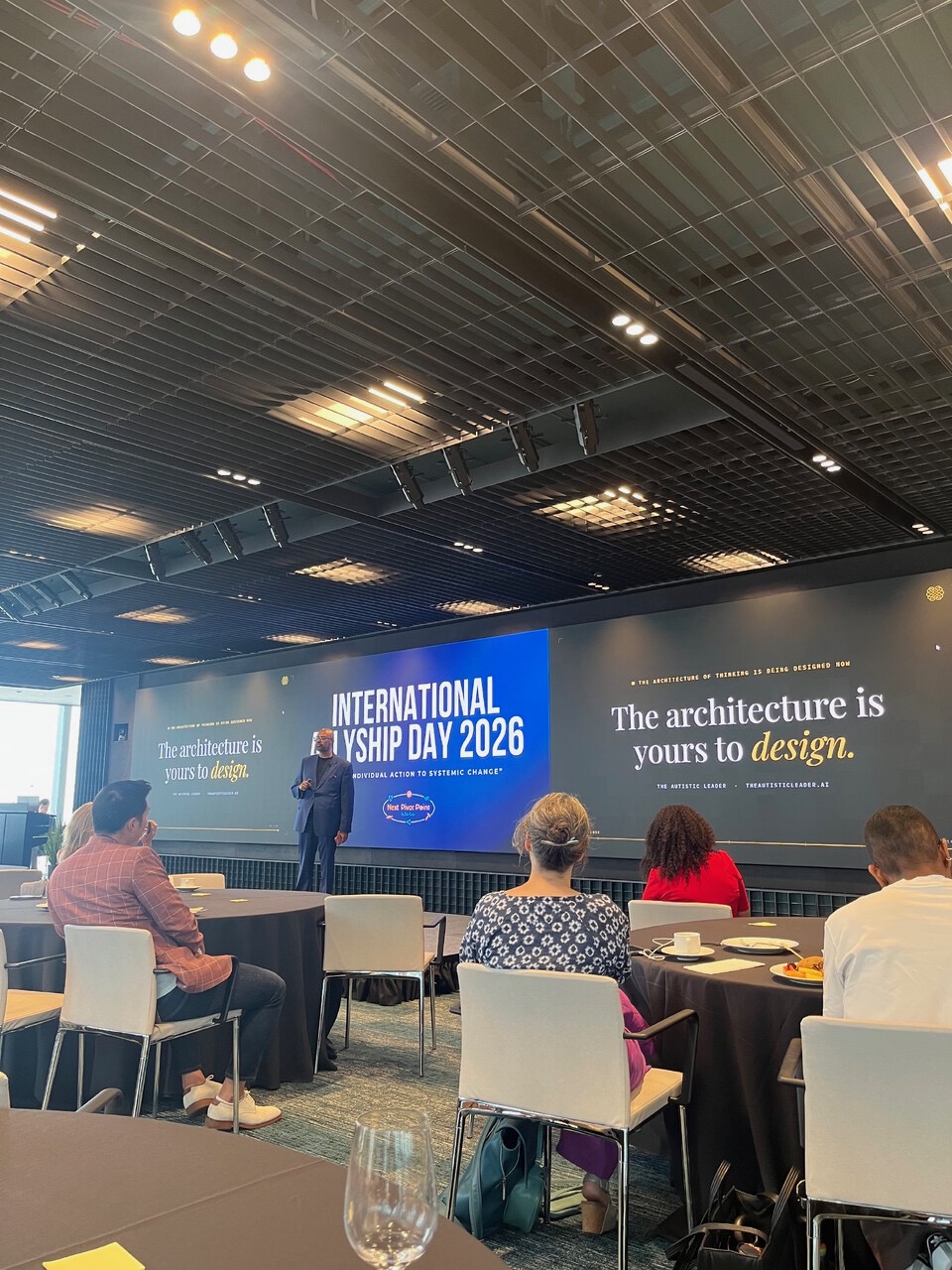
International Allyship Day 2026 confirmed speaker spotlight — Uday Kiran Bolusani, Founder of TheAutisticLeader.AI and Cognitive Systems Architect, delivering the cognitive architecture keynote at Next Pivot Point's third annual International Allyship Day in NYC, August 11, 2026
Confirmed Speaker
August 11, 2026 · 9:00 AM – 1:00 PM ET
NYC In-Person & Virtual

International Allyship Day 2026

Hosted by Next Pivot Point

A half-day convening of DEI leaders from AXA XL, Penguin Random House, Johns Hopkins Carey Business School, and others. Uday delivers his cognitive architecture keynote as part of the The Autistic Leader™ keynote series.

Event details & registration

Podcast Appearances

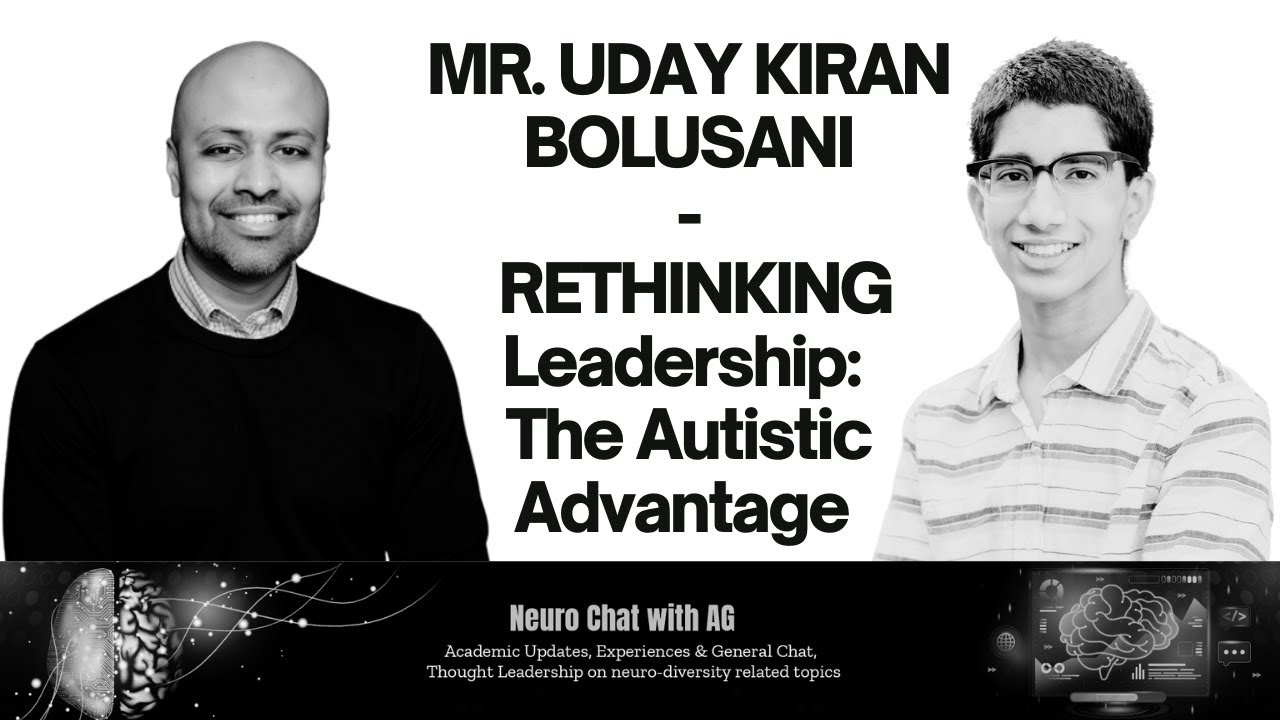
Selected conversations.

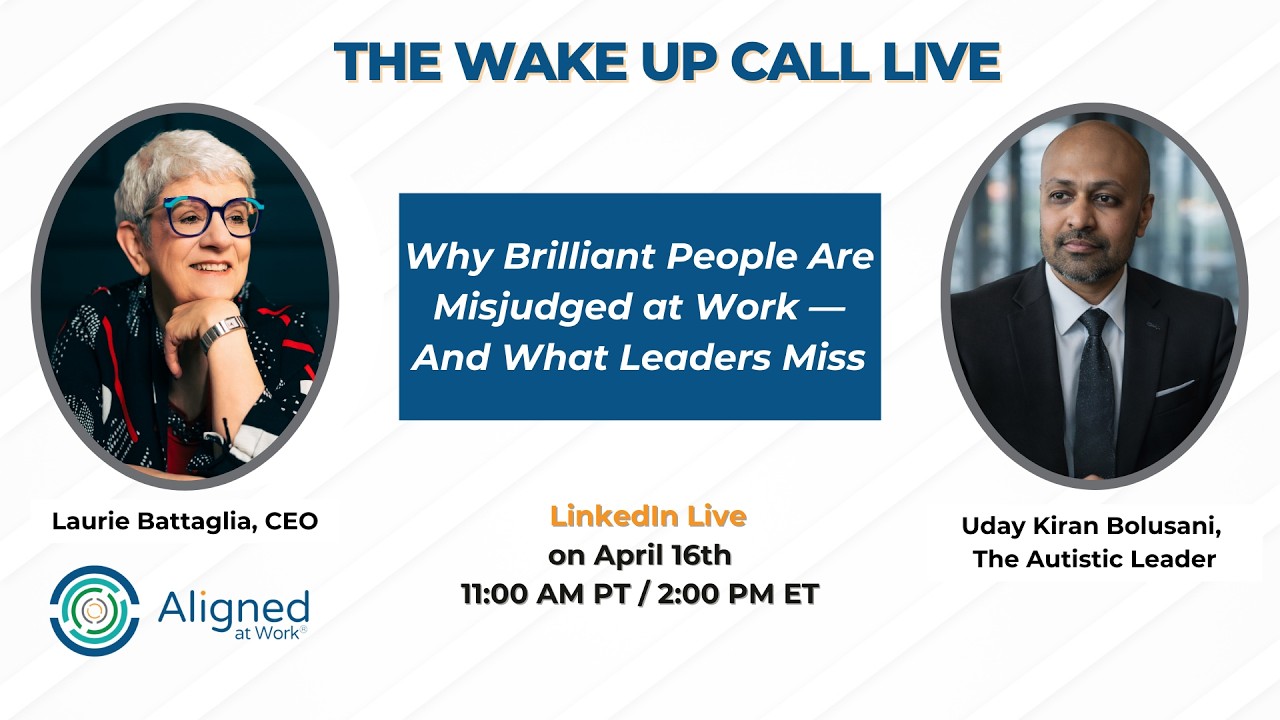
Aligned at Work · April 16, 2026

Why Brilliant People are Misjudged at Work — And What Leaders Miss

Inquire

Start with a conversation.

I work with a limited number of speaking engagements at any one time — not because of scarcity signaling, but because deep preparation is non-negotiable. Every engagement is tailored to the audience, the context, and the specific challenge the organization is navigating.

Weekend and select weekday availability. Response within 48 hours on all serious inquiries.

01 Initial response — Within 48 hours to confirm receipt and ask any clarifying questions.
02 Discovery call — 30 minutes to understand your event, your audience, and whether there is a genuine fit.
03 Proposal — A clear scope, format, and investment. No templated packages.
04 The engagement — Deeply prepared, rigorously tailored, and built to leave your audience with something structural.

Engagement Format

Keynote 45 — 90 min

A single, focused talk built around one of the three signature frameworks. Opens with a reframing insight, moves through the framework with real organizational examples, and closes with a sharp, actionable takeaway. Designed for conferences, leadership summits, and opening or closing keynote slots.

One Sheet

Download the speaker one-sheet to share with your events team.

Download One Sheet

I respond to all serious inquiries within 48 hours.

Inquiry Received

Your speaking inquiry is in.

I'll be in touch within 48 hours. If your event date is imminent, mention it in a follow-up on LinkedIn.